Why Are So Many Big Cats Being Seen Across the UK
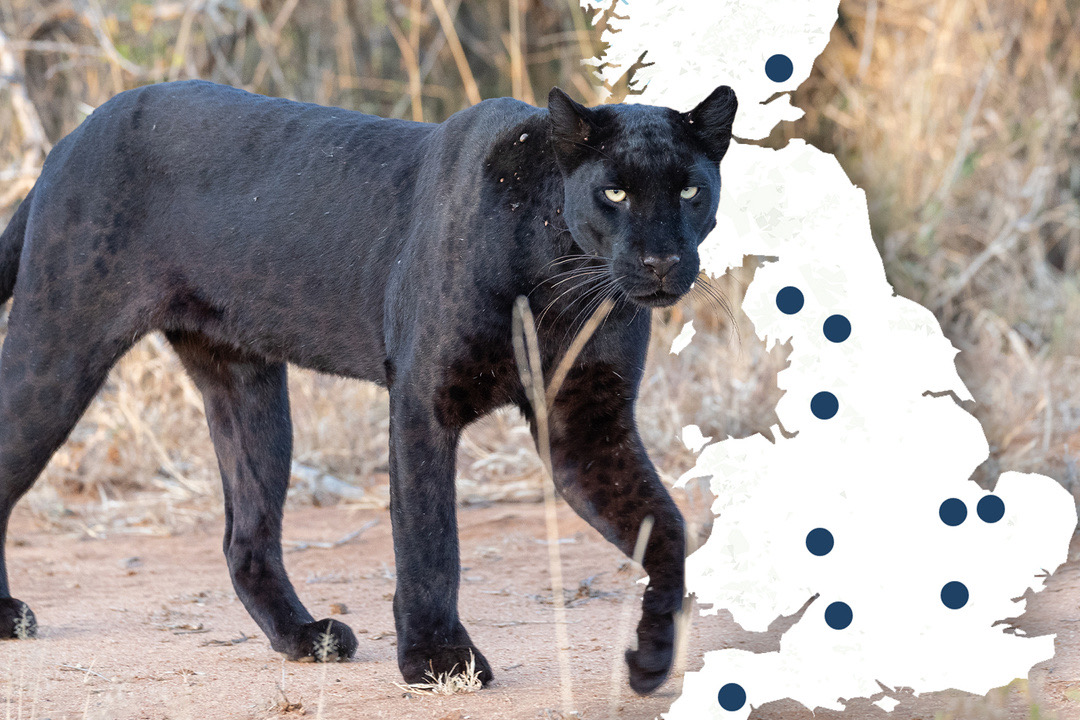
Could the mystery of Britain’s Alien Big Cats really begin with a law passed almost 50 years ago?
In the late 1960s and early 1970s, owning an exotic animal was surprisingly fashionable in Britain. Pumas, lynxes, leopards, and other big cats were kept as private pets by collectors across the country.
Everything changed with the Dangerous Wild Animals Act 1976. Overnight, anyone wishing to keep one of these animals needed a licence from their local council and had to meet strict legal requirements. While zoos and circuses were largely unaffected, many private owners suddenly faced significant costs and regulations.
According to one enduring theory, some owners made a desperate decision. Rather than surrender their animals or find them a suitable home, they allegedly released them into the British countryside.
Whether that happened on a large scale remains disputed, but reports of Alien Big Cats have continued ever since.
Today, it’s estimated that more than 2,000 sightings are made across the UK each year, although only a small percentage are officially reported. Witnesses describe large black cats, pumas, and other unfamiliar felines seen crossing roads, disappearing into woodland, or hunting in remote rural areas.
Some researchers believe that, if even a handful of these releases occurred, certain animals may have survived for years by feeding on deer, rabbits, and livestock in isolated parts of the country. Others argue there is little conclusive evidence that breeding populations exist.
So what are people really seeing?
Are Britain’s forests home to elusive predators that have remained hidden for decades?
Or is this one of the country’s greatest modern mysteries, fuelled by folklore, misidentification, and stories passed from one generation to the next?
If you’ve had your own unexplained encounter, we’d love to hear it. You can send your story or report a sighting through our website.

Founder of Real Unexplained Stories

Terrifying Encounters in Britain’s Dark Forests
